
Beginner / Technique workshop
Watercolor Washes for Beginners: Flat, Graded & Wet-on-Wet
A wash succeeds when your brush load, paint supply, and paper moisture work together. Make three small tests to learn when to connect strokes, when to dilute the mixture, and when to let damp paper move the color.

Make a flat wash, a graded wash, and a wet-on-wet test, then identify the condition behind one unwanted edge.
Prepare enough paint and a useful test sheet
Mark three small rectangles on watercolor paper, leaving white gaps and room for notes. Use one paint and a brush large enough to cover each rectangle comfortably. A tiny brush makes a broad wash harder to connect. Keep a spare strip for testing and a cloth for adjusting the brush load.
Mix more paint than you expect to need for the first rectangle. Running out halfway through interrupts the wet passage and can change its value. Aim for a readable mid-light mixture, not a dense opaque patch. The three tests will use the same paint so differences in method remain easier to see.
Connect strokes for a flat wash
On dry paper, paint across the top of the first rectangle. Add the next stroke while the lower edge is still wet enough to connect. Continue downward using the same mixture and a steady brush load. A slight board tilt can help a bead travel downward, but it is optional for a small test.
At the bottom, remove a pooled bead with a clean, slightly drier brush. Then leave the passage alone. Chasing a streak as the area begins to dry can create a second problem. A flat wash aims for a broadly consistent value, not an identical texture at every microscopic point.
Change concentration for a graded wash
Start the second rectangle with a stronger mixture. Connect the next stroke while gradually introducing clean water into the working mixture. Continue toward a lighter lower edge. Make each change modest enough to produce a transition rather than obvious stripes.
You are changing pigment concentration while keeping the passage connected. If a band appears, compare whether the mixture changed abruptly or whether you paused long enough for the previous edge to begin drying. Repeat a shorter rectangle if the transition outruns your brush control. A smaller test can isolate the problem more effectively than a larger sheet.
Watch the surface for wet-on-wet
Wet the third rectangle with clean water and spread it evenly. Observe whether the surface has standing puddles, a wet sheen, or a quieter damp appearance. Add color and watch its spread without forcing it into the precise silhouette of the first test. Wet-on-wet uses paint on wet or damp paper; the amount of moisture changes the behavior.
Make a second small patch when the surface is less wet and compare the boundaries. Keep the paint mixture similar. The useful question is not “how many seconds did I wait?” but “what did the surface look like when the paint touched it?”
Read a bloom or streak as evidence
A bloom can develop when a wetter addition enters a passage that has begun drying. A streak can reflect uneven loading, interrupted strokes, or an edge that no longer connects readily. Similar marks can have different causes, so avoid diagnosing every uneven patch from appearance alone.
Try a deliberate test: paint two small squares, leave one untouched, and add a little clean water to the other after its surface begins losing its sheen. Label the difference. You have now observed one cause under your own conditions. Repeat with a different brush load before changing paint, paper, and technique together.
Choose a wash for the next subject
Compare the dry rectangles. Use a flat passage when stable value matters, a graded passage when a gradual transition is useful, and wet-on-wet where softer spread suits the subject. These are choices, not rules requiring every sky or leaf to be painted in one particular way.
Repeat only the least clear test and record the surface condition or brush-load change. Then use one wash in a small landscape study. For a supporting demonstration of damp-paper application, see Winsor & Newton's wet-on-wet guide. Your test sheet is the reference for how your own materials respond.
A useful next lesson
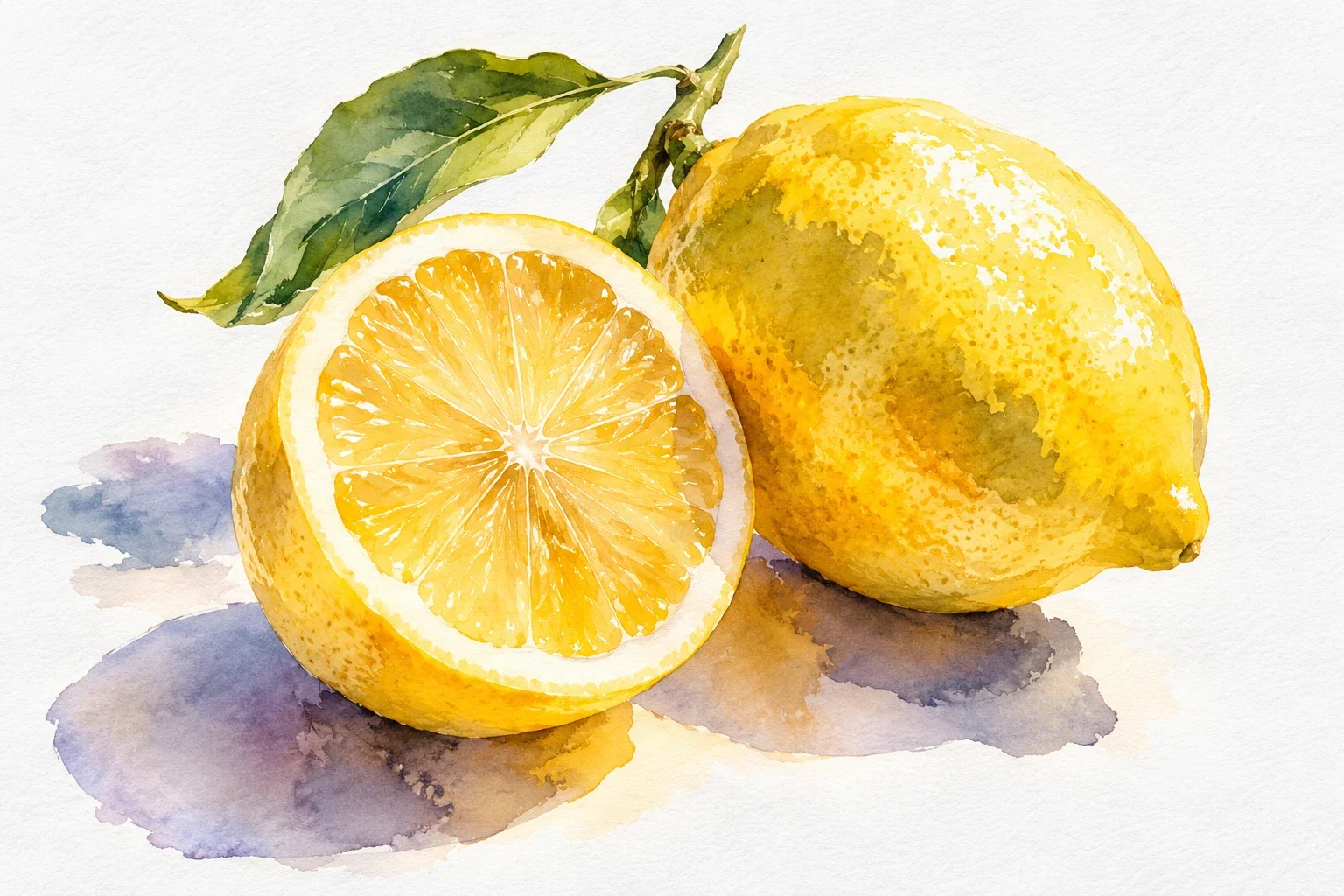
How to Paint Watercolor Lemons: Light, Layers & Shadows
Paint one small lemon to learn how light, transparent layers, and shadows work together. You will plan the highlight, build a rounded form, and avoid the two habits that often dull yellow: a crowded mixture and repeated brushing.
4 min read Read the lesson →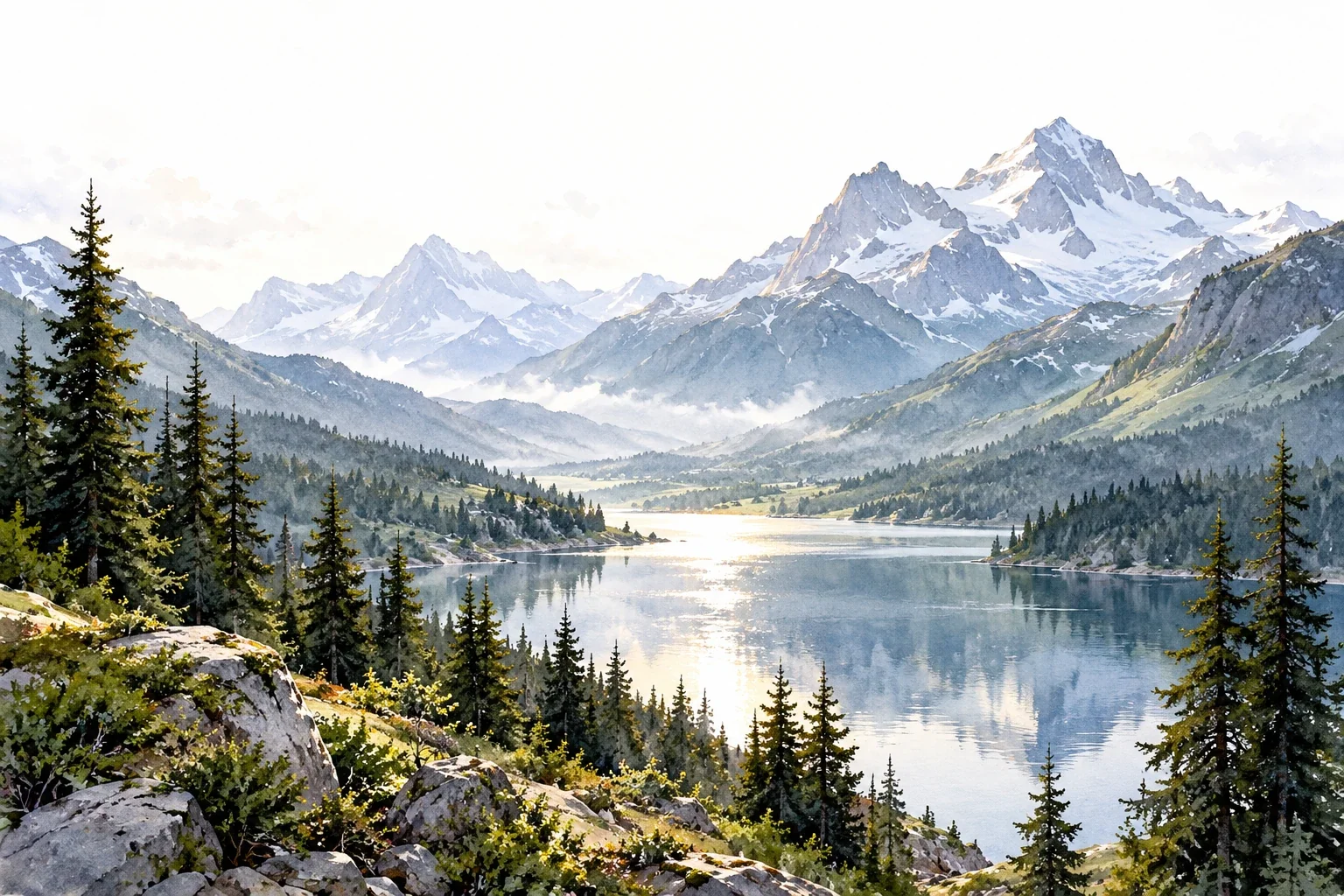
Creating Depth in Watercolor Landscapes
A landscape can look flat even when its individual trees and mountains are carefully painted. This guide shows how to organize depth through overlap, value, edges, and a focal area before investing time in detail.
3 min read Read the lesson →