
Find Your Next Lesson
Ten useful lessons across watercolor and drawing. Search by subject, material, or skill.
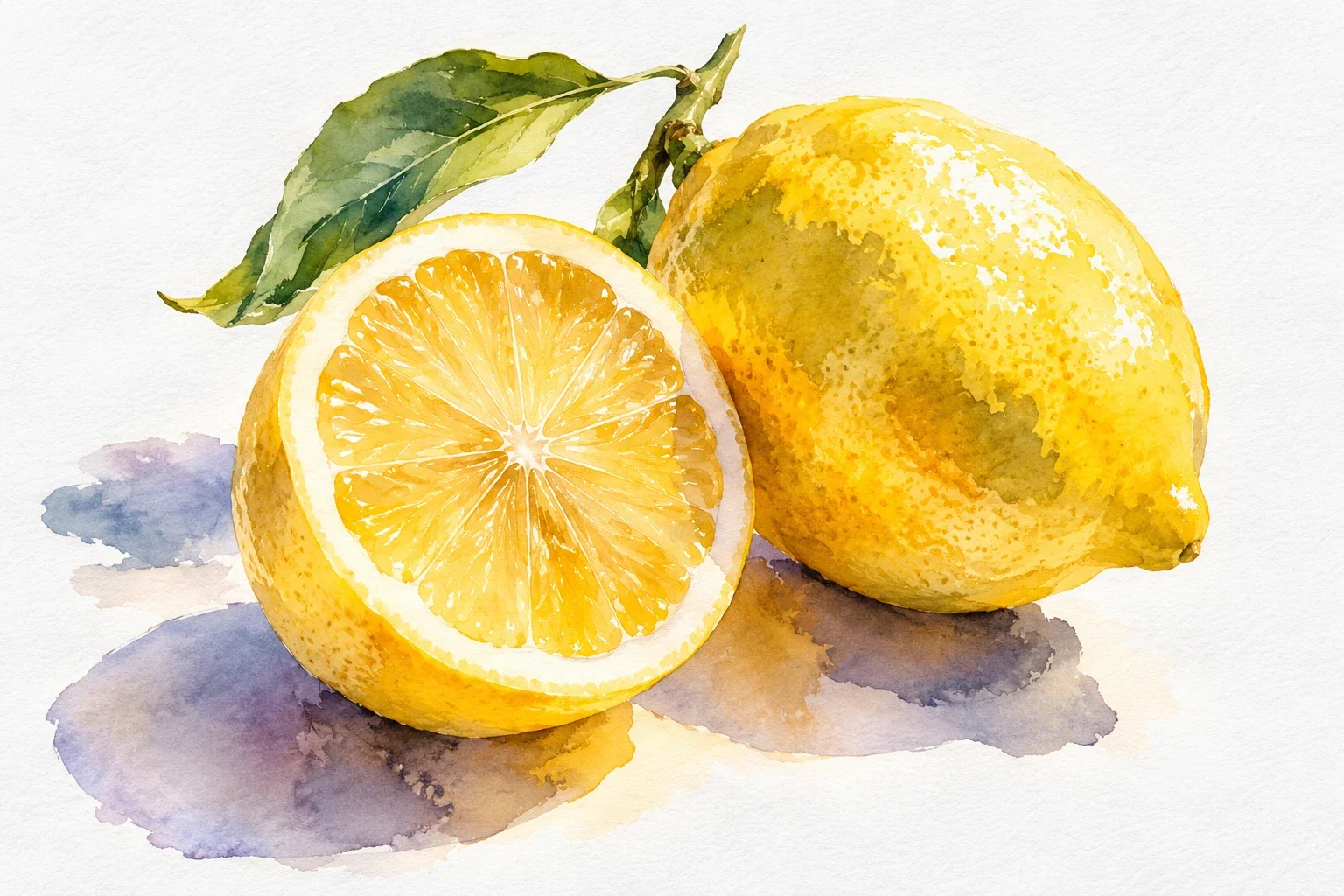
How to Paint Watercolor Lemons: Light, Layers & Shadows
Paint one small lemon to learn how light, transparent layers, and shadows work together. You will plan the highlight, build a rounded form, and avoid the two habits that often dull yellow: a crowded mixture and repeated brushing.
4 min read Read the lesson →
Creating Depth in Watercolor Landscapes
A landscape can look flat even when its individual trees and mountains are carefully painted. This guide shows how to organize depth through overlap, value, edges, and a focal area before investing time in detail.
3 min read Read the lesson →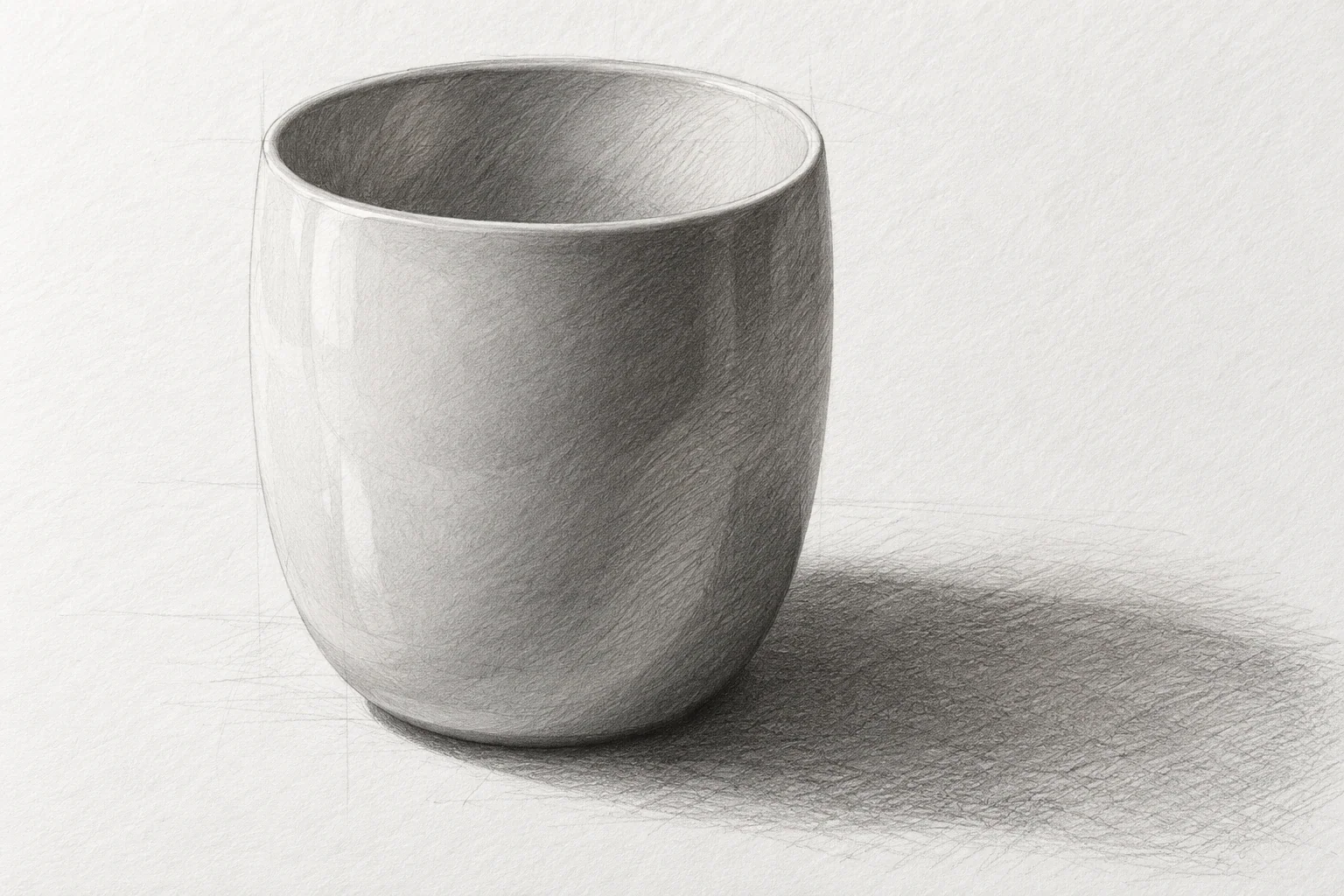
How to Draw a Cup: Proportion, Ellipses & Pencil Shading
A cup is a compact lesson in proportion, ellipses, and value. Work in an order that makes corrections inexpensive: establish the body, check the opening and handle, then add enough shading to explain the form.
3 min read Read the lesson →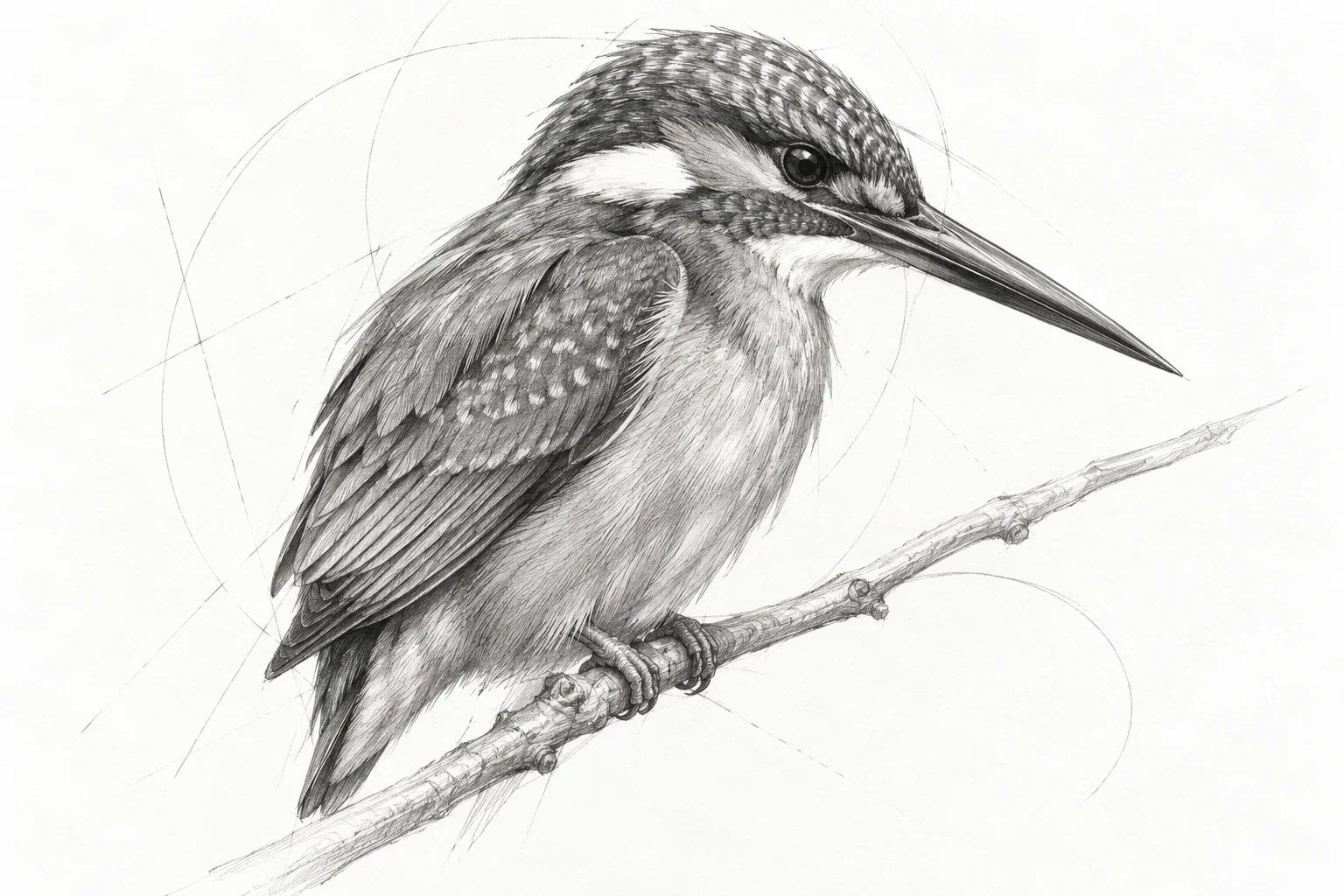
A Guide to Drawing Birds from Observation
A bird sketch becomes convincing through pose, proportion, and support long before it needs individual feathers. Use a short sequence of gesture, main masses, and landmarks to capture a readable bird without getting trapped in tiny details.
3 min read Read the lesson →
Watercolor Washes for Beginners: Flat, Graded & Wet-on-Wet
A wash succeeds when your brush load, paint supply, and paper moisture work together. Make three small tests to learn when to connect strokes, when to dilute the mixture, and when to let damp paper move the color.
4 min read Read the lesson →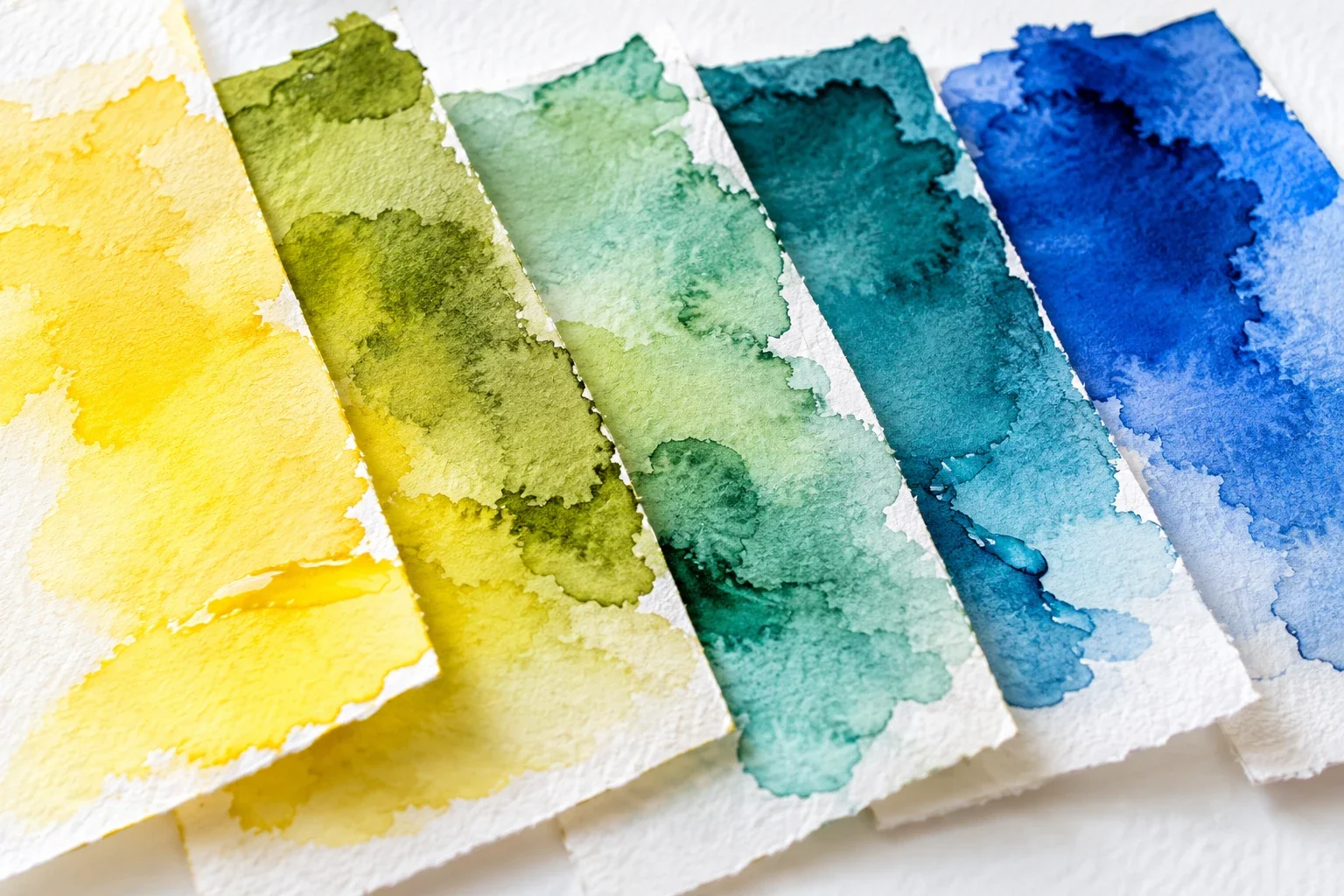
How to Mix Watercolor Colors Without Losing Clarity
When a watercolor mixture disappoints, adding another color is not always the answer. Learn to distinguish hue, value, and saturation, then build a small mixing record that helps you make a specific correction.
4 min read Read the lesson →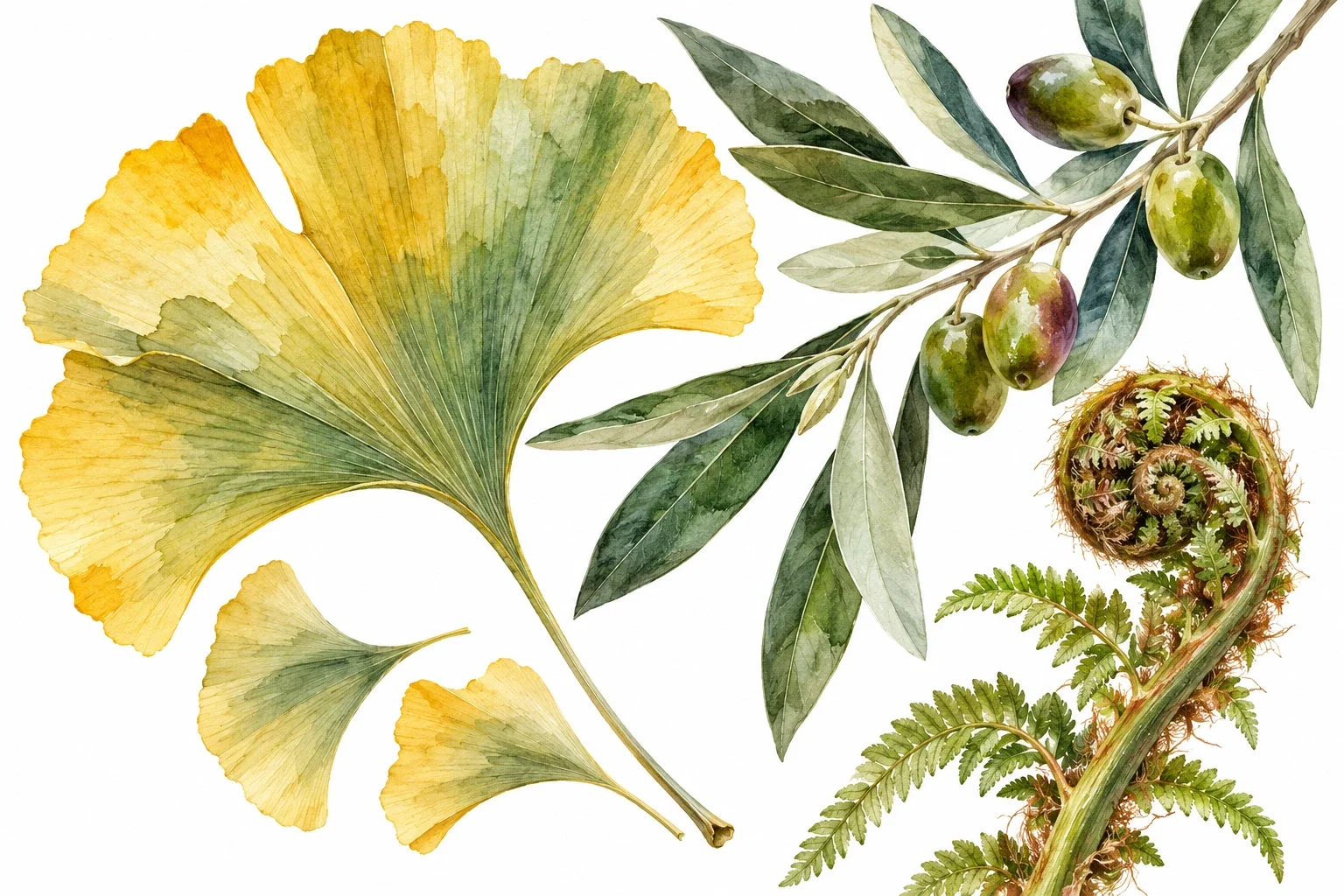
How to Paint Watercolor Leaves: Shape, Edges & Layering
Paint leaves that differ in shape and movement instead of repeating the same green symbol. You will connect observed silhouettes, brush pressure, and selective layers in a short study of three distinct leaves.
3 min read Read the lesson →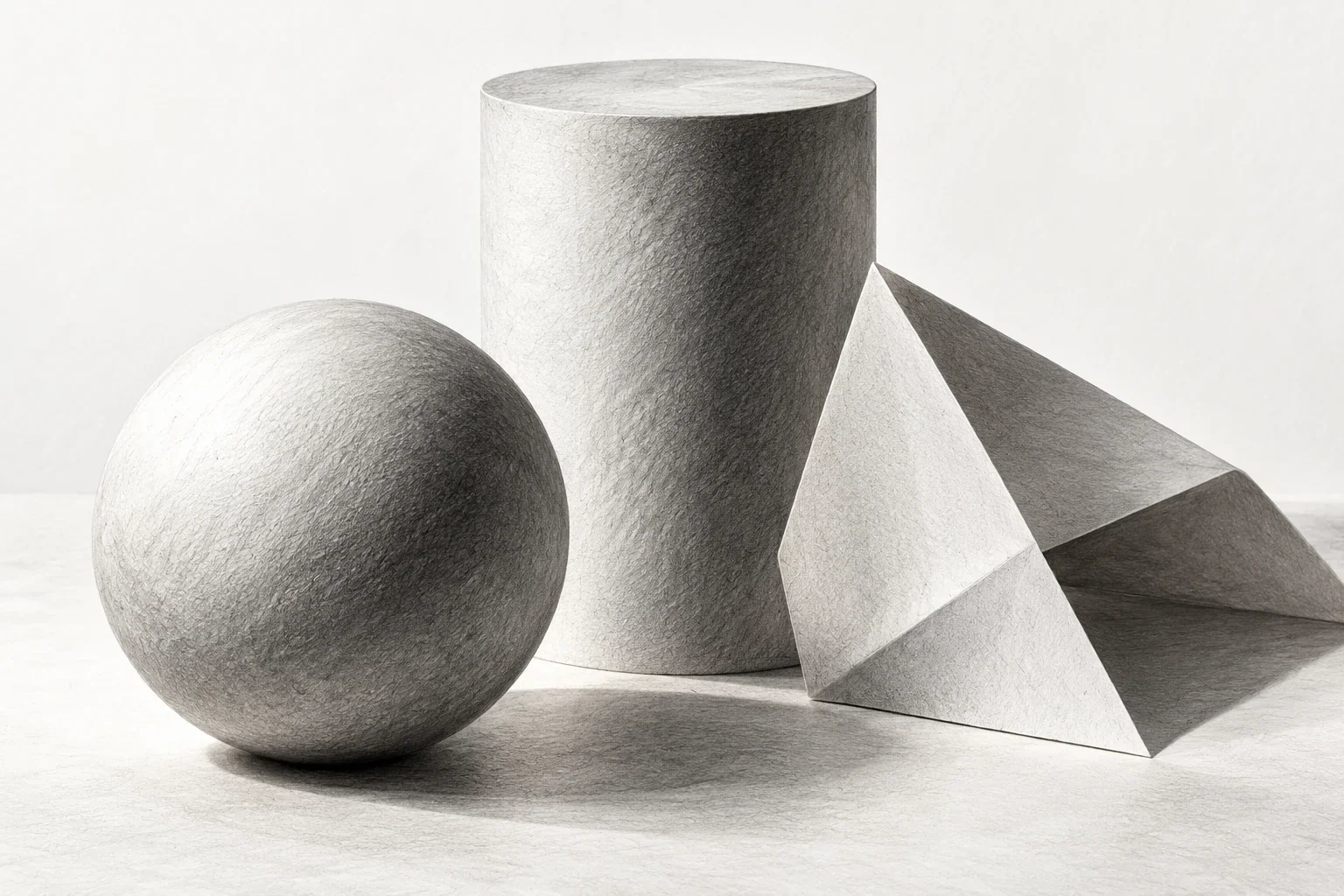
Pencil Shading for Beginners: Values, Pressure & Form
Good pencil shading is not simply smooth shading. Learn to organize light and shadow, control pressure, and choose dark accents so a simple object reads clearly before you blend or add texture.
3 min read Read the lesson →
One-Point Perspective for Beginners: Draw a Simple Room
Construct a simple room to learn what one-point perspective controls—and what it does not. You will separate front-facing edges from depth edges, place one box, and check convergence before decorating the scene.
3 min read Read the lesson →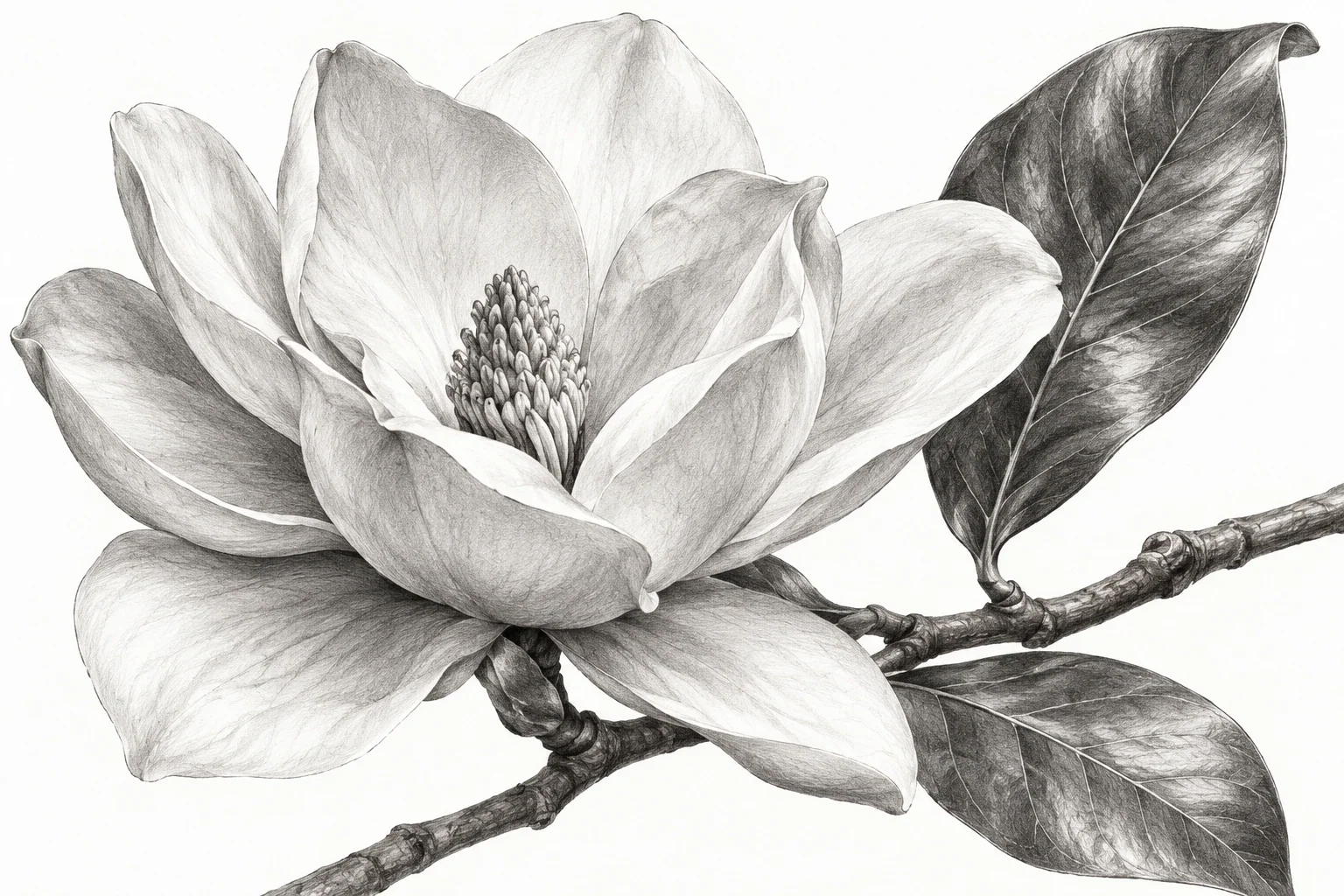
How to Draw Leaves from Observation: Contour & Veins
A leaf is a useful drawing subject because small proportion changes make a visible difference. Learn to build its direction, contour, and veins from observation, then use a fold or shadow to explain the form without decorating every surface.
3 min read Read the lesson →10 lessons found.